How to Select the Right General Contractor for Your Home Renovation Project
Selecting the right home contractor is essential for a productive home renovation. Homeowners must assess multiple factors, including expertise, certifications, and communication skills. A thoughtful decision can avoid costly mistakes and guarantee a more efficient process. However, working through the selection process can be difficult. What key aspects should one consider? What questions are essential during initial consultations? Recognizing these elements can greatly affect the renovation experience.
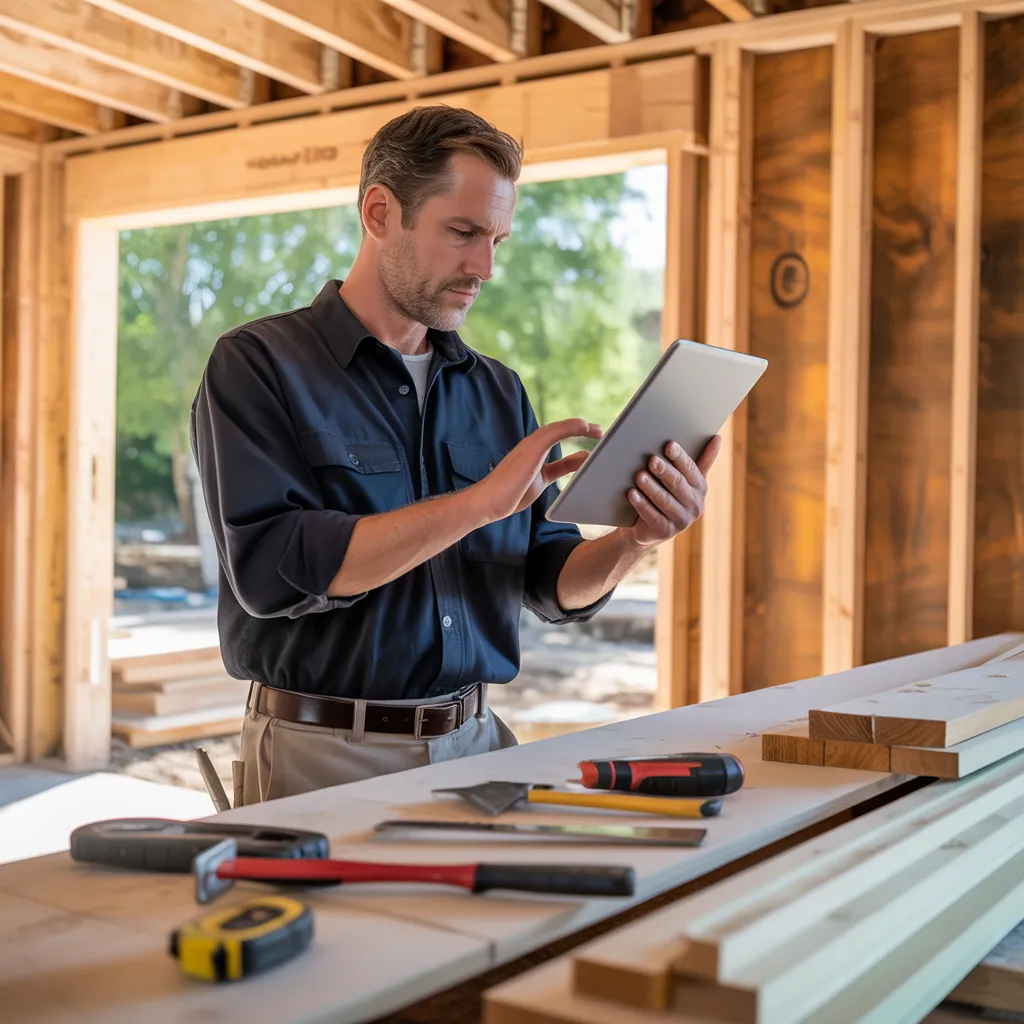
What Kind of Experience Should You Seek in a Contractor?
When choosing a home renovation contractor for home improvement, it is essential to take into account their industry experience. A contractor's track record can significantly impact the overall quality of the renovation process. To begin, homeowners should search for contractors with a well-established record in like projects, ensuring familiarity with specific challenges and solutions.
Moreover, a contractor's years of experience can demonstrate a contractor's skill in overseeing subcontractors, timelines, and budgets in an effective manner. It is equally important to ask about their portfolio, highlighting completed projects that match the homeowner's expectations.
Furthermore, contractors who have experience with local building codes and regulations can assist in preventing possible legal problems. As a final point, a contractor's capacity to supply references from previous clients can give perspective on their reliability and professionalism. By diligently considering these elements, homeowners can make a more informed decision when hiring a general contractor for their home renovation project.
How to Confirm a Contractor's Qualifications and References
What steps can homeowners take to ensure they are hiring a qualified contractor? Checking a contractor's credentials and references is a critical step. Homeowners should first check for proper licensing and insurance, ensuring the contractor meets local regulations. This verification can generally be accomplished through state or local licensing boards. Additionally, confirming that the contractor has liability insurance and worker's compensation coverage protects homeowners from potential liabilities.
Furthermore, homeowners should request references from past clients. A dependable contractor should present a list of past projects, along with contact information. Contacting previous clients can uncover helpful insights about the contractor's work ethic, responsiveness, and timeliness.
Customer reviews and ratings on platforms like Angie's List and Yelp can also provide further context. By performing thorough research and collecting multiple perspectives, homeowners can make an informed decision, increasing the likelihood of a successful renovation project.
Key Questions to Ask During Your Initial Consultation
Once they have verified a contractor's credentials and references, homeowners should plan for the preliminary meeting by formulating specific questions. Important queries should concentrate on the contractor's experience with similar projects, including project timelines and possible obstacles. Homeowners should also ask about the contractor's strategy for project oversight and communication, ensuring they will receive regular updates throughout the renovation.
Additionally, exploring the contractor's choice of subcontractors offers valuable insight into the caliber of work to be anticipated. It is essential to inquire about necessary permits and how the contractor handles inspections. It is also wise for homeowners to gain a clear understanding of the payment structure and any preliminary expenses. Understanding the contractor's warranty policies and how additional article they address potential issues post-completion is vital as well. By asking these targeted questions, homeowners can gauge whether the contractor aligns with their vision and needs for the renovation project.
How to Deconstruct Project Estimates and Contracts
Breaking down contracts and project estimates is vital for property owners to comprehend the financial elements of their remodeling endeavor. Critical elements such as labor, materials, and timelines play a significant role in the overall cost. Moreover, clarifying contract terms confirms that all parties have a mutual understanding of obligations and expectations.
Essential Estimate Components
Grasping the essential elements of renovation estimates is vital for homeowners undertaking renovations. A detailed estimate generally covers workforce costs, material costs, and operational charges. Labor costs represent the compensation for qualified tradespeople, which can differ based on experience and project complexity. Materials pricing should outline quantities and quality, allowing homeowners to evaluate worth and reliability. Overhead charges, including licensing and insurance, offer transparency regarding the contractor's operational costs. Additionally, contingency funds are frequently added to manage surprise expenditures, ensuring a more seamless renovation process. Property owners should also look for a detailed timeline and billing schedule to set clear expectations. Examining these aspects helps homeowners make informed decisions and encourages honest discussion with their preferred contractor.
Contract Terms Explained
A thorough understanding of contract terms is essential for homeowners managing renovation projects. Contracts generally detail the scope of work, payment schedules, and timelines, guaranteeing that all parties remain in agreement. Homeowners should carefully review the itemized estimates, which outline the specific costs associated with materials, labor, and permits, ensuring full transparency. Key terms to be mindful of include change orders, which explain how project changes will be managed and billed. Additionally, homeowners should be aware of warranty terms, which protect against defects in workmanship or materials. Grasping these components allows homeowners to make well-informed choices and helps prevent misunderstandings or disputes during the renovation process, ultimately leading to a more seamless renovation experience. Thorough knowledge of contract terms is key to a successful collaboration with contractors.
Recognizing the Significance of Communication Style With Your Contractor?
How well a homeowner communicates with their general contractor can greatly impact the success of a renovation project. A clear communication style encourages clarity and confirms that everyone involved stays on the same page regarding expectations, timelines, and budgets. Homeowners ought to evaluate how contractors convey information, whether through scheduled meetings, written updates, or email correspondence.
A contractor who pays close attention and replies considerately can work to relieve anxieties and tackle challenges without delay. Furthermore, it is vital for homeowners to feel confident voicing their suggestions and concerns. An open dialogue allows for collaboration, which can lead to better decision-making and innovative solutions.
When reviewing potential contractors, homeowners need to assess how capably they can conduct meaningful dialogue. This harmony in conversational methods can substantially elevate the complete renovation journey, confirming that the project moves forward seamlessly and aligns with the homeowner's goals. At its core, open communication builds the basis for a thriving collaboration.
What Warning Signs Suggest a Contractor Isn't the Right Fit for You?
Recognizing warning signs in a contractor is vital to a successful renovation. Unclear communication practices and a lack of proper licensing can signal deeper issues that may affect the project. Homeowners must stay alert to make certain they hire a trustworthy contractor for their project.
Poor Communication Practices
Clear communication acts as the foundation of all successful residential renovation projects. During the evaluation of a general contractor, poor communication habits frequently indicate underlying problems. Key concerns involve inconsistent updates, unclear replies to inquiries, and trouble coordinating meetings. If a contractor frequently misunderstands project requirements or fails to provide updates, it raises concerns about their commitment and reliability. Moreover, limited clarity concerning deadlines, pricing, and workflows can point to inefficiency or unethical conduct. Contractors should be willing to clarify details and address concerns promptly. A contractor that evades honest conversation or ignores concerns probably does not value the homeowner's best interests, ultimately jeopardizing the project's success. Open communication remains critical for fostering trust and securing a successful home improvement journey.
Lack of Proper Licensing
Effective communication is vital when building an effective partnership with a general contractor, but it is also essential to ensure that the contractor has the necessary qualifications. Insufficient licensing acts as a significant warning sign when assessing potential contractors. Licensed professionals are often required to adhere to state requirements, ensuring that they have the experience and expertise necessary to carry out renovation work safely and effectively. It is important for homeowners to verify a contractor's license via local government offices or digital databases. Additionally, a reluctance to provide licensing information or insurance documentation may signal insufficient professional standards. Confirming that a contractor is fully licensed not only safeguards the homeowner but also contributes to the overall success of the renovation project.
Popular Questions We Receive
How Can I Tell if a Contractor Is Insured?
To verify whether a contractor is properly insured, you should request proof of insurance, including both liability coverage and workers' compensation. Reviewing this documentation ensures that the contractor is fiscally liable for possible accidents or damages that may occur.
What Should I Do if a Contractor Misses Deadlines?
Should a contractor fall behind on deadlines, the homeowner is advised to raise concerns promptly, consult the contract for specific terms, and maintain documentation of any delays. Seeking a resolution through discussion or mediation can help clarify expectations and maintain project progress.
What Are My Options for Handling Contractor Disputes?
To manage conflicts with a contractor, it is advisable to keep records of all interactions, communicate concerns explicitly, and seek resolution through dialogue. If unresolved, pursue mediation or obtain professional legal advice to safeguard your rights and interests.
What Specific Permits Are Required for My Renovation?
Renovation permits are determined by local regulations and the overall scope of the work. Typically, building, electrical, plumbing, or zoning permits are required. Speaking with local authorities ensures compliance and prevents potential legal complications throughout the renovation.
How Do I Keep My Home Safe Throughout the Renovation Process?
To protect a home during renovations, it is important to place protective coverings over floors, seal off work areas, ensure adequate ventilation, protect valuable belongings, and establish clear dialogue with contractors about protective measures and scheduling to minimize disruptions.